


Bullying today goes beyond classrooms—it follows you online, affects your identity, and can make you feel isolated or left out. These feelings are real, but they are not permanent. With the right support and small actions, you can protect yourself and help others feel seen and safe.
Dealing with Bullying & Supporting Peers: A Counsellor’s Perspective
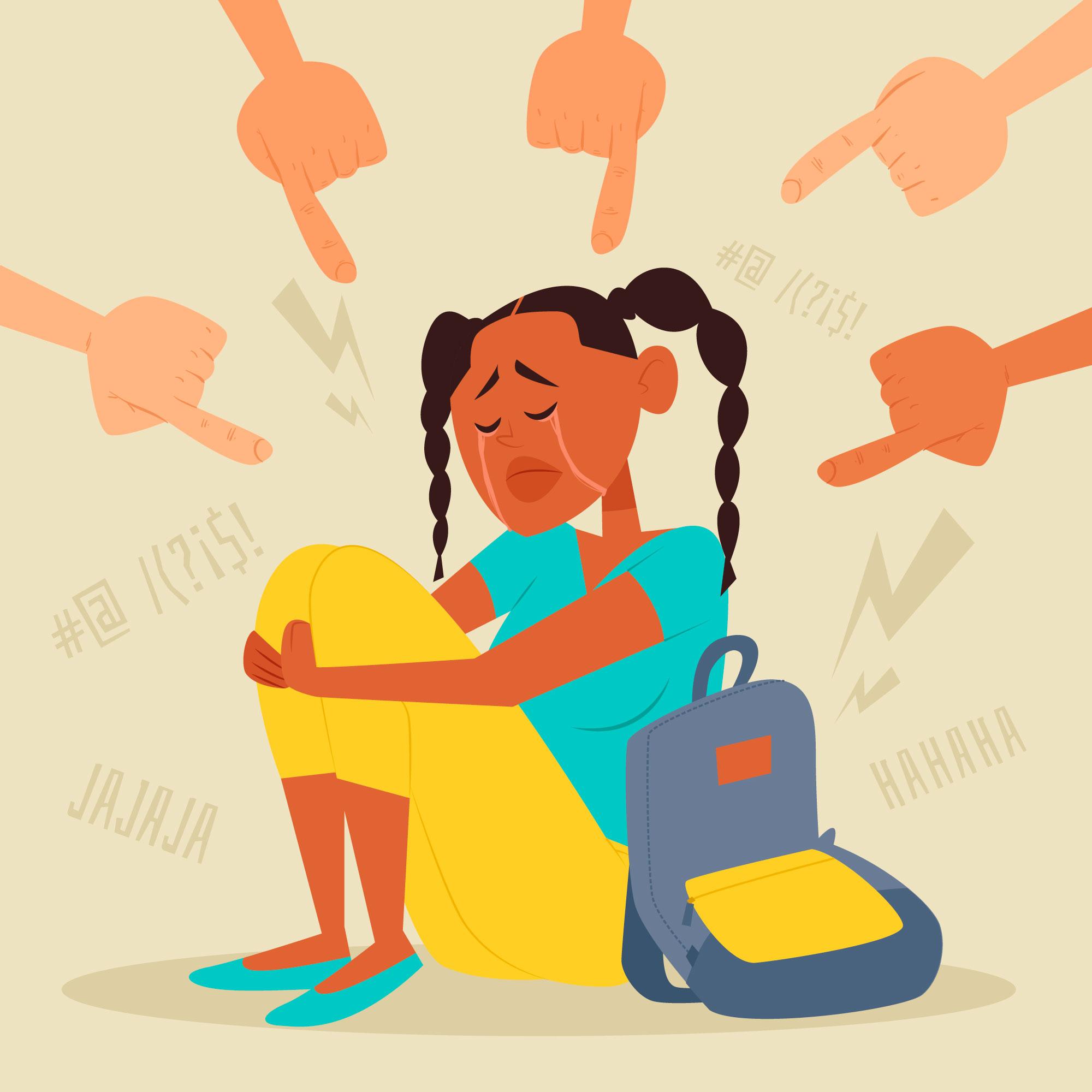
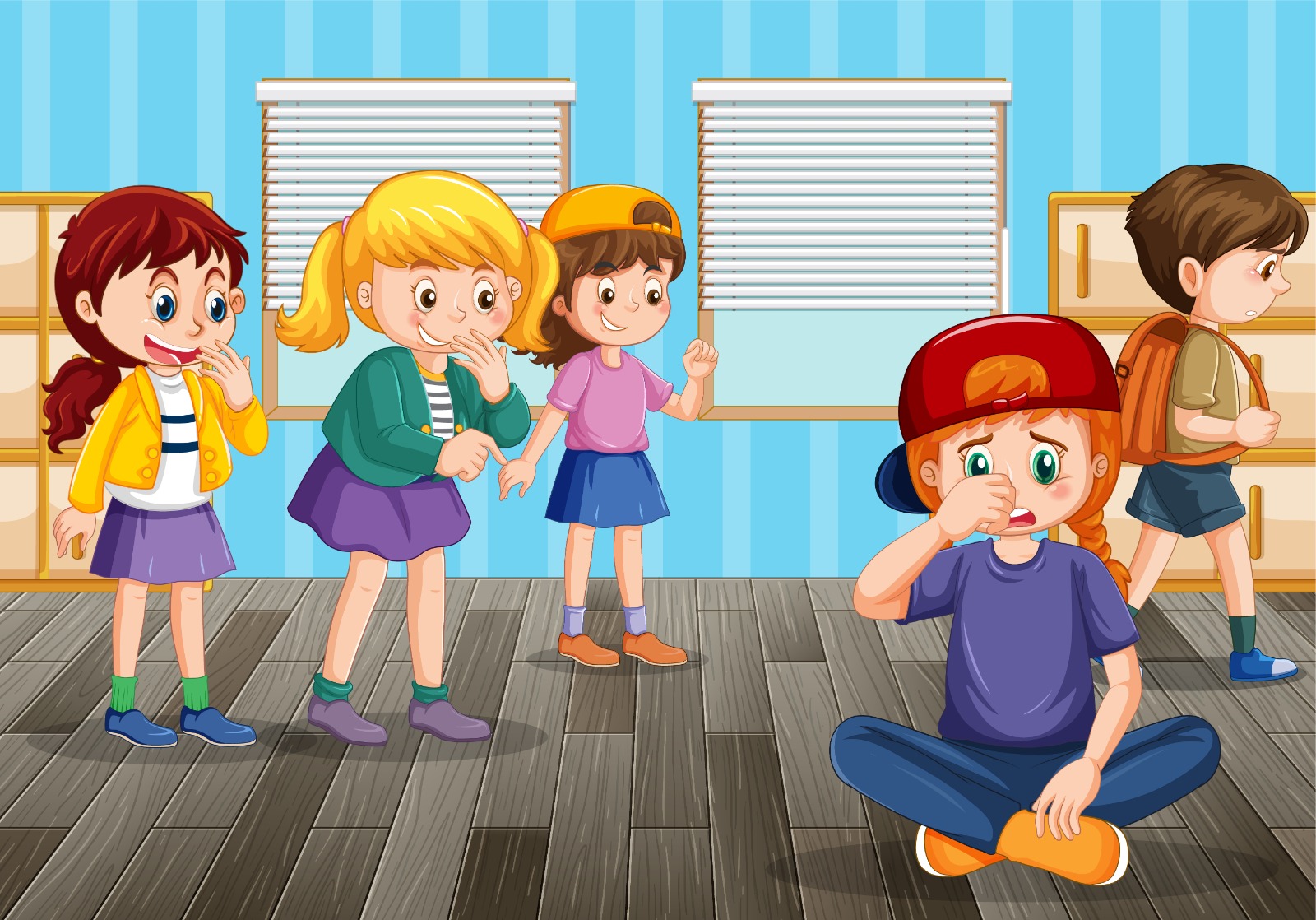
In today’s school environment, bullying is not always loud or visible. It can be a group chat you’re excluded from, a meme made about you, whispers in corridors, or being ignored at lunch. For many adolescents, this leads to FOMO (fear of missing out), self-doubt, and a painful feeling of ‘not fitting in.’
Over time, bullying can deeply impact mental health—causing anxiety, low self-esteem, loneliness, and in severe cases, thoughts of harming oneself or feeling like life is not worth living. If you’ve ever felt this way, it’s important to understand: these feelings are signals, not conclusions. You deserve help, and things can change.
Start by breaking the silence. Speak to a trusted adult—a parent, teacher, or school counsellor. If bullying happens online, take screenshots and report it. Protect your space—mute, block, or step away when needed. These are not signs of weakness but of strength and self-respect.
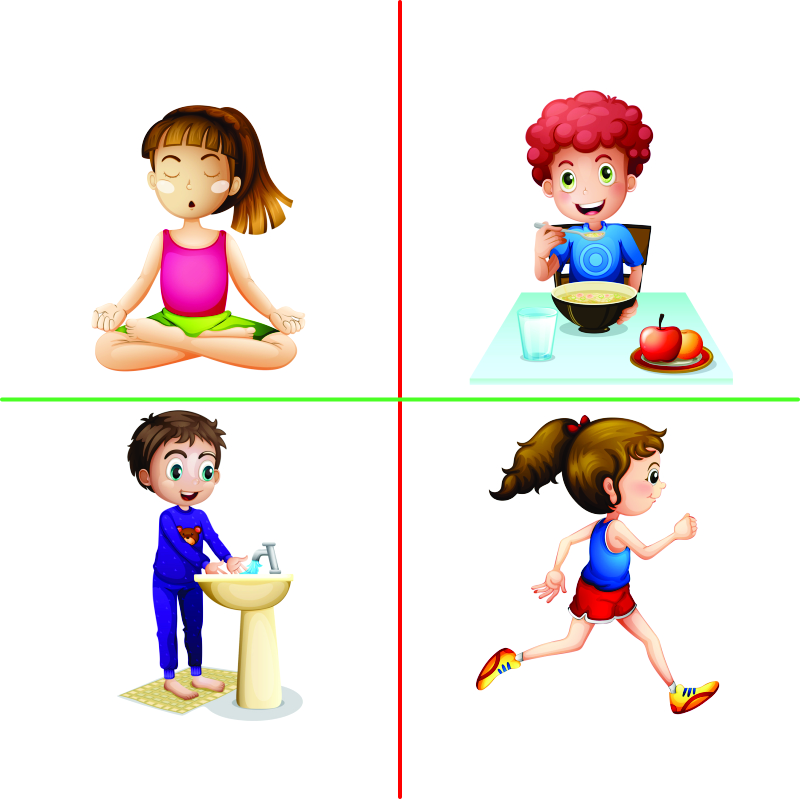
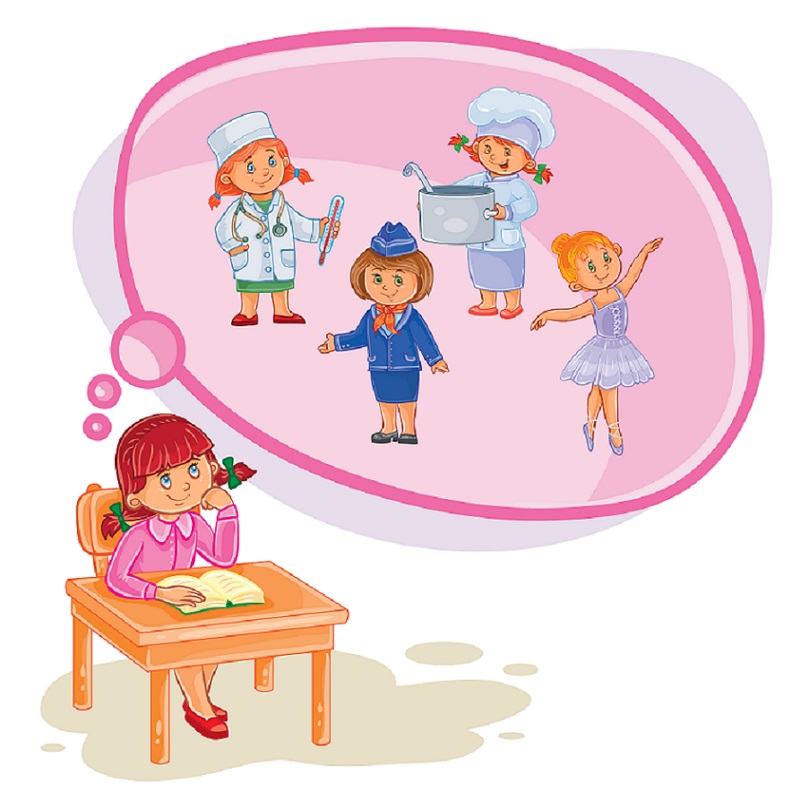
Equally important is finding your safe circle. Even one supportive friend can reduce feelings of isolation. Engage in activities that make you feel confident and valued beyond social approval.
If you see someone being bullied, your support matters. Sit with them, include them, or simply ask, ‘Are you okay?’ If the situation feels serious, report it—silence can increase harm.
For Gen Z and Gen Alpha, real strength lies in choosing empathy over popularity, setting boundaries, and reaching out when things feel heavy.
You are not alone, and not fitting into one group does not mean you don’t belong—you just haven’t found your right space yet.



.jpg "Bullying The Silent Killer")