


Respecting diversity in school is fundamental to a child’s emotional, social and psychological well-being. Diversity includes differences in culture, language, abilities, family background, learning styles and personalities. During childhood, students are developing their identity and understanding of the social world. When schools create an environment that respects and values these differences, children feel accepted, safe and confident, which supports healthy self-esteem and a strong sense of belonging.
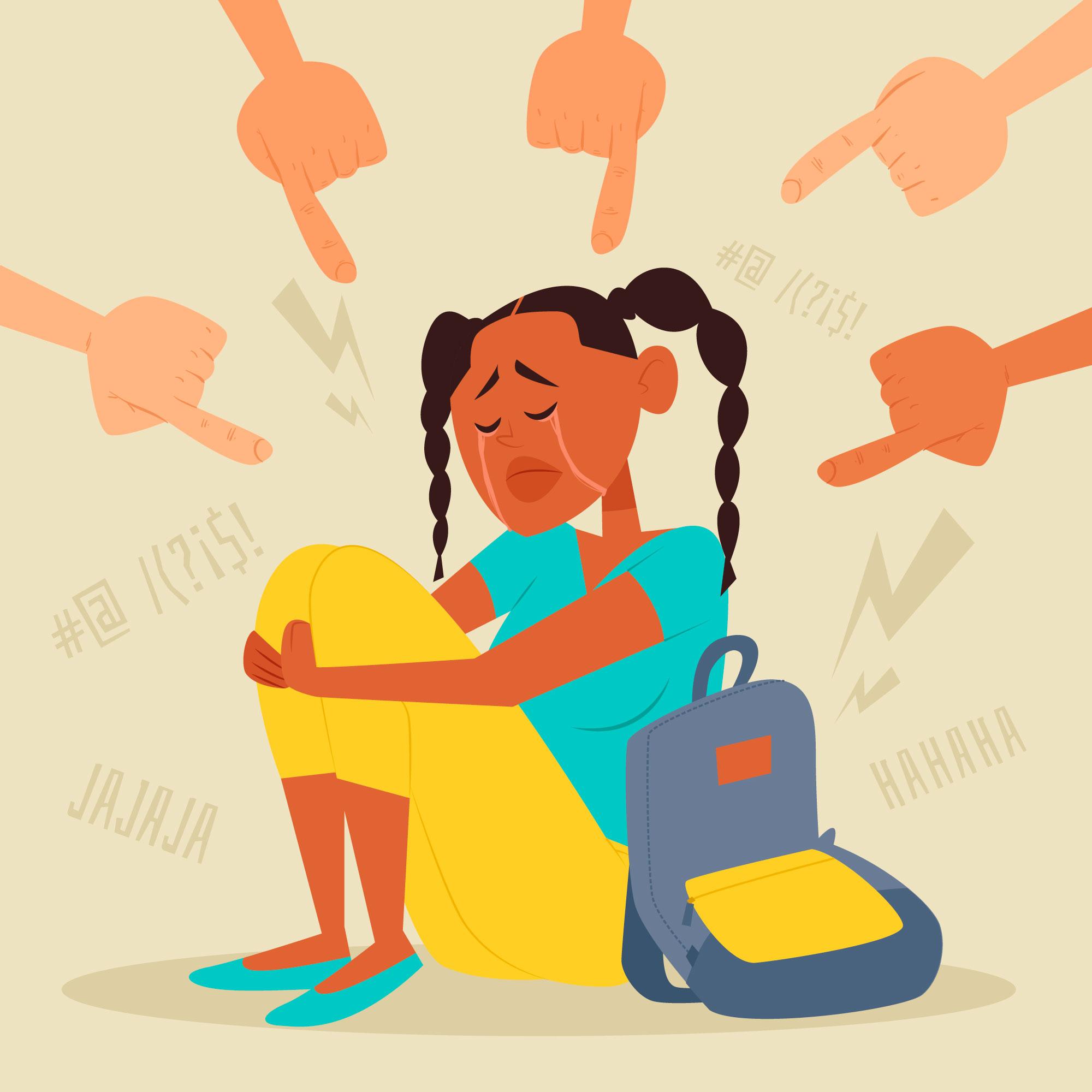
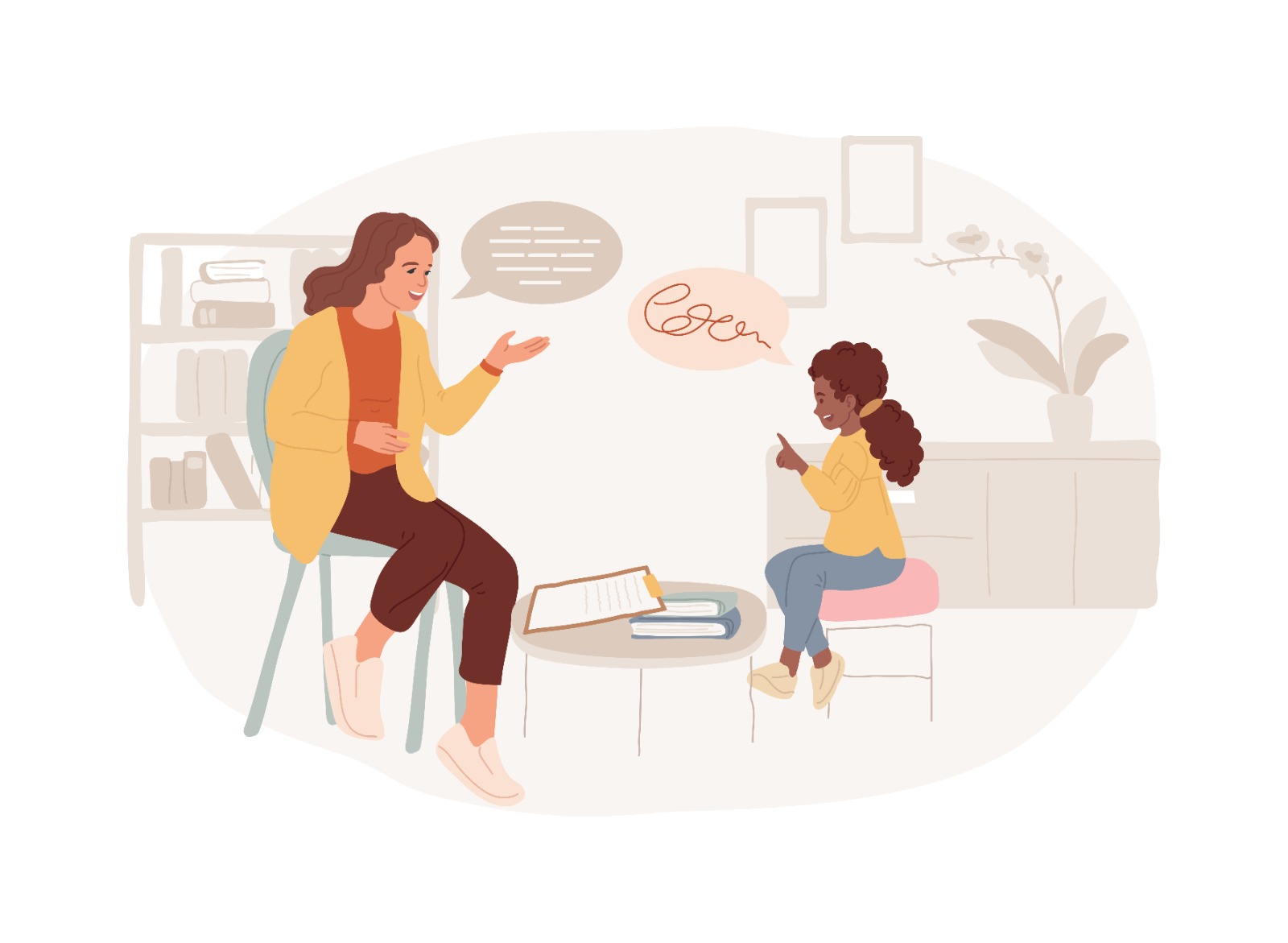
From a child psychology and counselling perspective, respecting diversity helps children develop empathy, tolerance and emotional intelligence. Children learn that differences are natural and valuable rather than something to fear or reject. Counselling interventions such as guided conversations, storytelling, group activities, and role-play help children express their feelings, understand others’ perspectives, and manage conflicts in a positive way. This reduces incidents of exclusion, bullying and prejudice, which often arise from misunderstanding.
An inclusive school environment also supports individual learning needs. Every child has unique strengths and challenges, and recognising these differences allows teachers and counsellors to provide appropriate support. When children feel understood and respected, they are more likely to participate actively, communicate openly, and seek help when needed. This promotes positive classroom relationships and cooperative behaviour.
Respecting diversity in school prepares children for life beyond the classroom. It builds resilience; social adaptability and respect for others, helping children grow into compassionate and responsible individuals. In essence, valuing diversity in schools lays the foundation for emotional well-being, healthy relationships, and harmonious coexistence in a multicultural society.





.jpg "Celebrating Diversity, Building Belonging")