


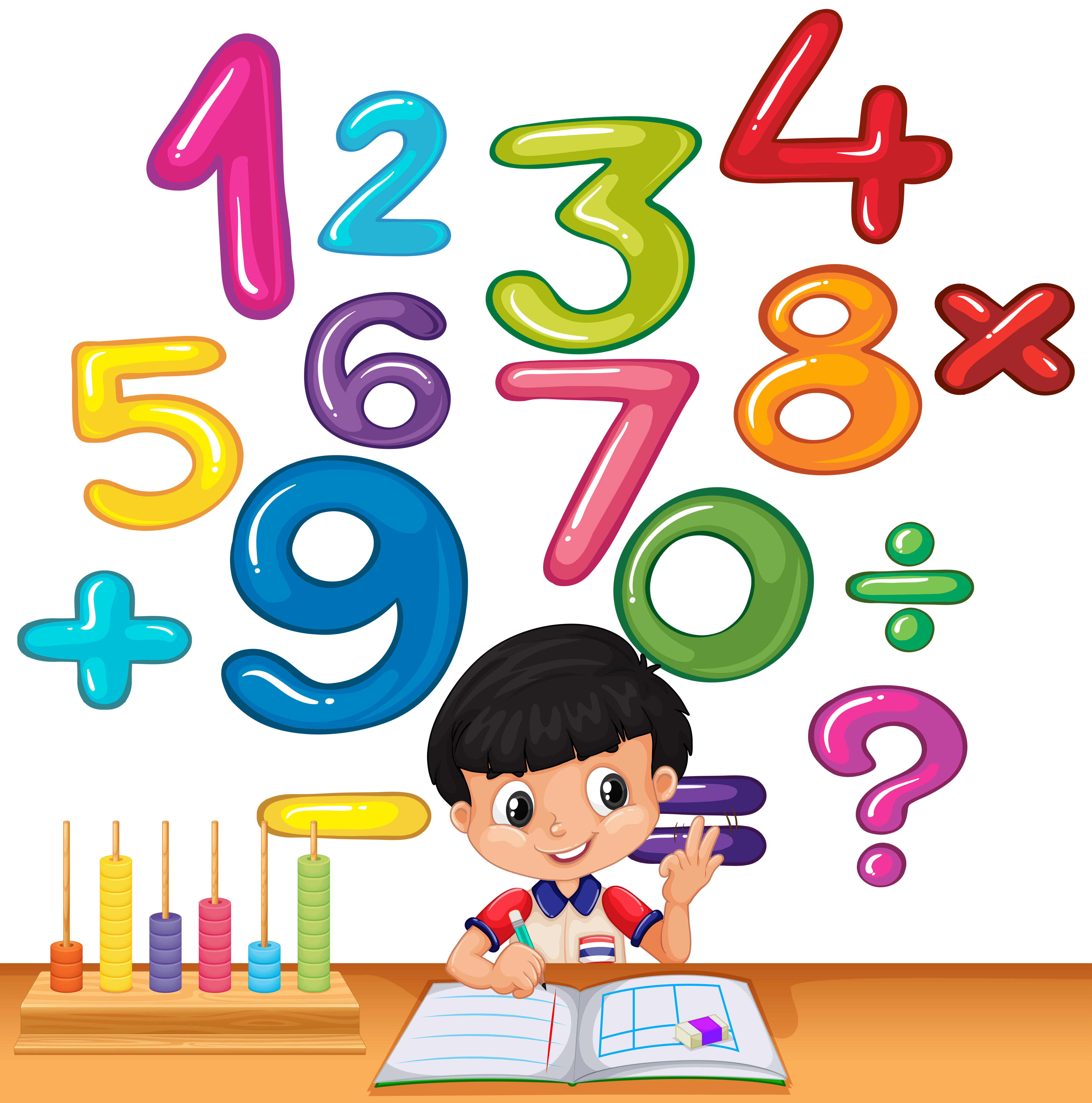
Mathematics is often perceived as a daunting subject, defined by complex formula and abstract calculations. For many students, the mere mention of the word ‘Math’ triggers anxiety. However, the subject transforms into an engaging and enjoyable experience when connected to creativity and real-world applications. As an educator, I have observed that students thrive when they are active participants rather than passive observers.
MATH BEYOND THE TEXTBOOK
Traditional methods of copying from a chalkboard are significantly less effective than interactive discussions and practical activities. By understanding why Math matters, rather than just how it works, students build a deeper connection to the material. Math exists everywhere in daily life—from calculating shopping discounts and managing personal budgets to planning schedules and travel. When concepts like Profit and Loss are linked to real-life business scenarios, learning becomes meaningful and intuitive.
LEARNING THROUGH ACTIVITIES
Classroom activities bridge the gap between theory and practice. Transforming the classroom floor into a coordinate plane helps students visualize geometric coordinates dynamically. ‘Mystery-based’ challenges involving Probability and Geometry turn problem solving into an exciting game. Additionally, business-style simulations help students master percentages and interest rates, while building physical models allows for the creative application of Surface Area and Volume.
"Math should not be taught as a subject to memorize, but as a skill to explore and enjoy."
CONNECTING WITH MODERN INTERESTS
Modern interests also offer rich data for learning. Statistics become relevant when students analyze social media trends, ‘likes,’ and engagement data. Even music connects beautifully with Math through the exploration of fractions, ratio, and rhythmic patterns. With a shift in approach, students can transition from fearing the subject to truly appreciating its beauty and utility in their everyday lives.





.jpg "FUN WAYS OF LEARNING MATH")