


Calmness during exams isn't something a child can switch on the morning of the test — it's built quietly, day after day, until it becomes second nature. As teachers, our work isn't just teaching subjects; it's helping children carry a steady mind into every challenge they face.
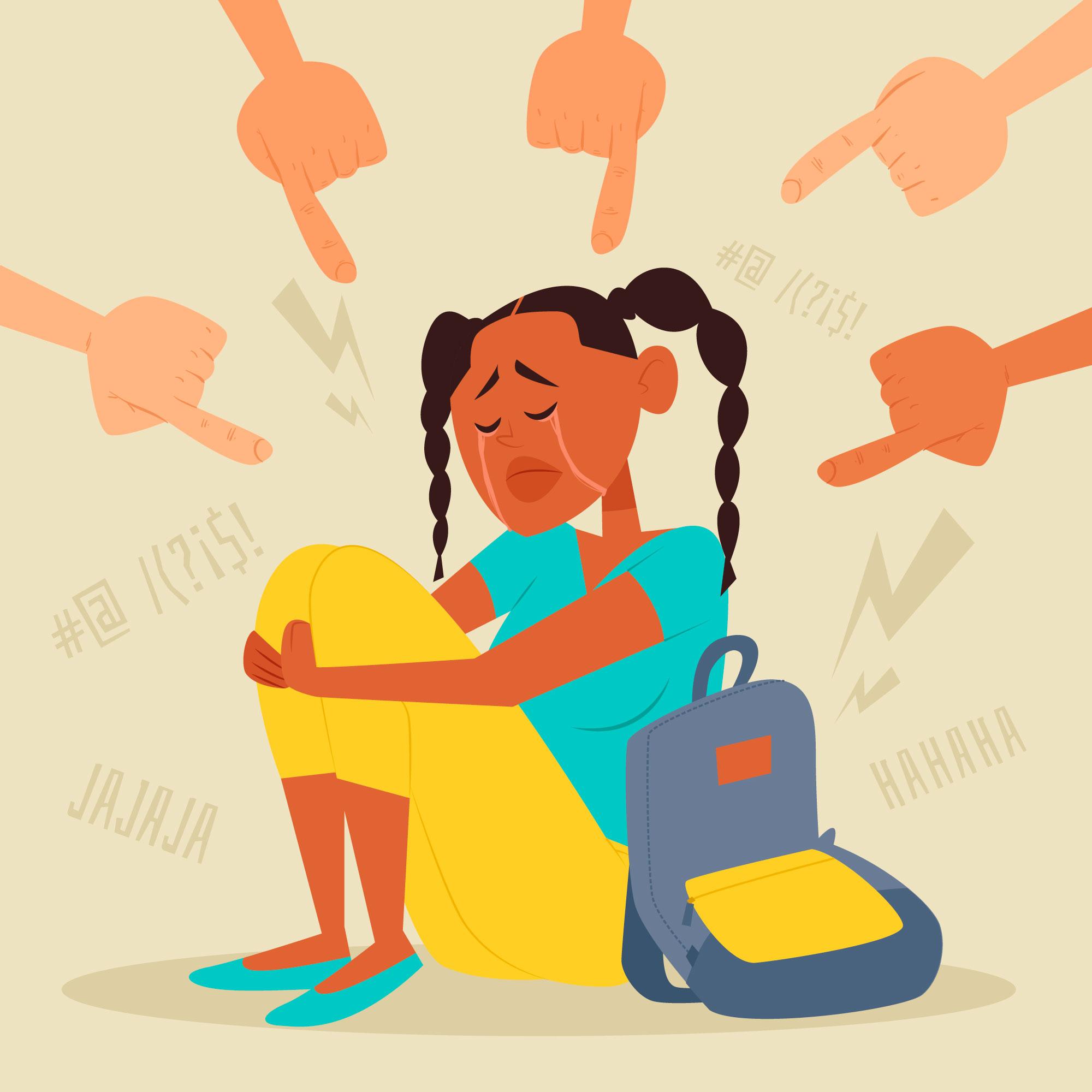
Over the years, I’ve noticed that exam stress is not always about preparation. Even bright students may overthink simple questions, freeze under pressure, or make careless mistakes. Stomach aches and restlessness before exams are real signs of anxiety, not excuses.
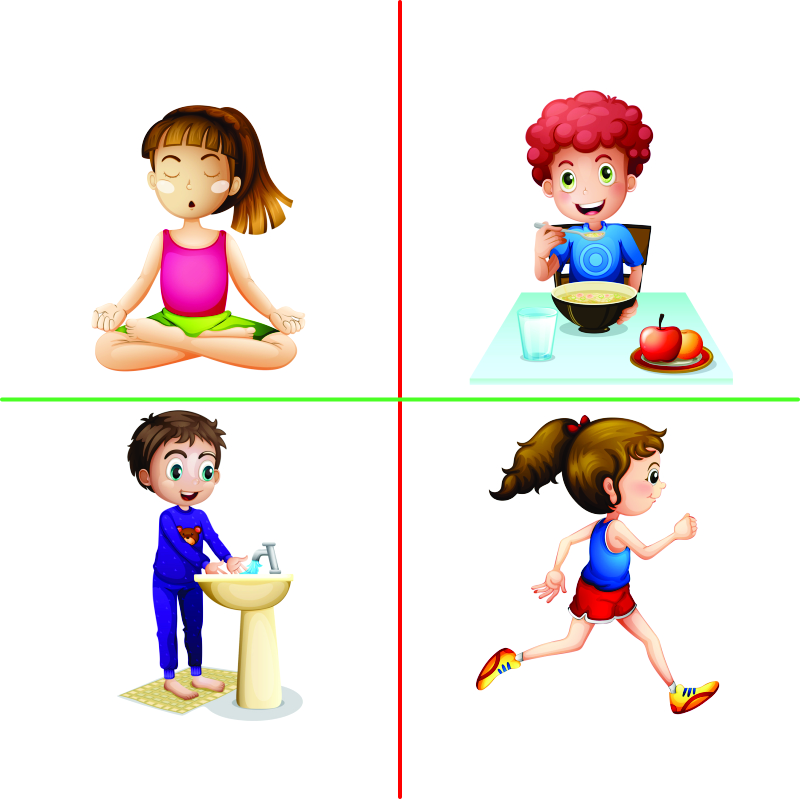
Advice like ‘just breathe’ works best when it is practiced long before the exam—it needs to become a natural response. Instead of focusing only on exam-day tips, I believe in building calming habits into everyday classroom routines until they become instinctive.
A few things I practice with my students, all year round:
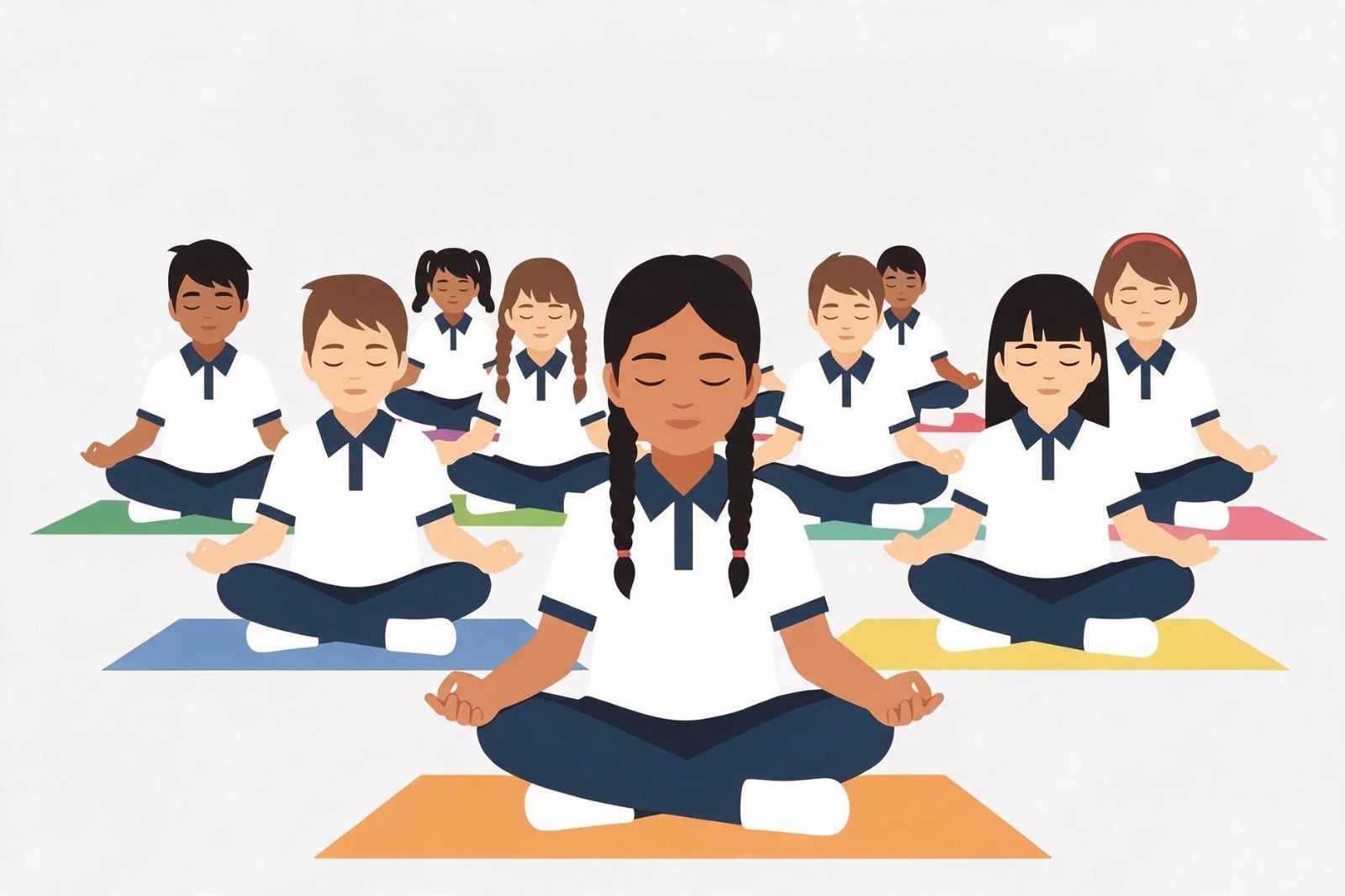
Dhyana Yoga: The Bhagavad Gita speaks of taming a restless mind — not by force, but by breathing slowly and steadily, letting it settle and rest on one point, the breath itself. Practiced daily, it teaches the mind to stay the same in storm and stillness.
The worry dump: Before any test, students scribble every worry on scrap paper and throw it away — externalizing anxiety instead of holding it in.
Naming the blank moment: I remind students that going blank isn't failure, it's a pause. Skip it, return later. Said all year, it becomes instinct.
A little lightness: A joke or funny story before a test isn't a distraction — it often lowers tension more than silence.
Normalizing the stomach-ache: I say it openly- ‘many of you might feel a little sick before the exam, and that's completely normal.’ Naming it takes away half its power.
None of this works as a last-minute fix. If we want these habits to hold when it matters most, we must practice them until they're no longer something students do, but something they simply are.
Perhaps, that is the deepest lesson we can give: exams do not test the mind; they reveal how steady it already is. A steady mind is not found on the day of the test — it is built, quietly, on every ordinary day before it.





.jpg "Helping Students Stay Calm During Exams: A Teacher's Reflection")