



As an English teacher, I have witnessed a quiet yet profound transformation in students who cultivate the habit of reading. It is not merely an academic exercise but an intellectual awakening—a gateway to imagination, expression, and self-discovery.
Reading sharpens the mind in ways that rote learning cannot. When students immerse themselves in books, they encounter diverse perspectives, complex ideas, and nuanced emotions. This exposure enhances their cognitive abilities, enabling them to analyse, interpret, and question the world around them. A well-read student does not simply accept information; they evaluate it with discernment.
Equally significant is the enrichment of language. Vocabulary expands organically through reading, allowing students to articulate their thoughts with precision and elegance. The rhythm of well-crafted sentences, the subtlety of tone, and the beauty of expression gradually seep into their own writing and speech. This linguistic competence fosters confidence—an invaluable asset in both academic and personal spheres.
Beyond intellect and language, reading cultivates empathy. When students step into the lives of characters from different cultures, eras, and circumstances, they develop a deeper understanding of human experiences. Literature becomes a mirror reflecting their own emotions and a window opening into the lives of others. In a world often marked by division, such empathy is indispensable.
Moreover, reading instils discipline and focus in an age dominated by fleeting digital distractions. It requires patience, concentration, and sustained engagement—qualities essential for success in any field. A student who reads regularly learns to navigate complexity and persist through challenges.
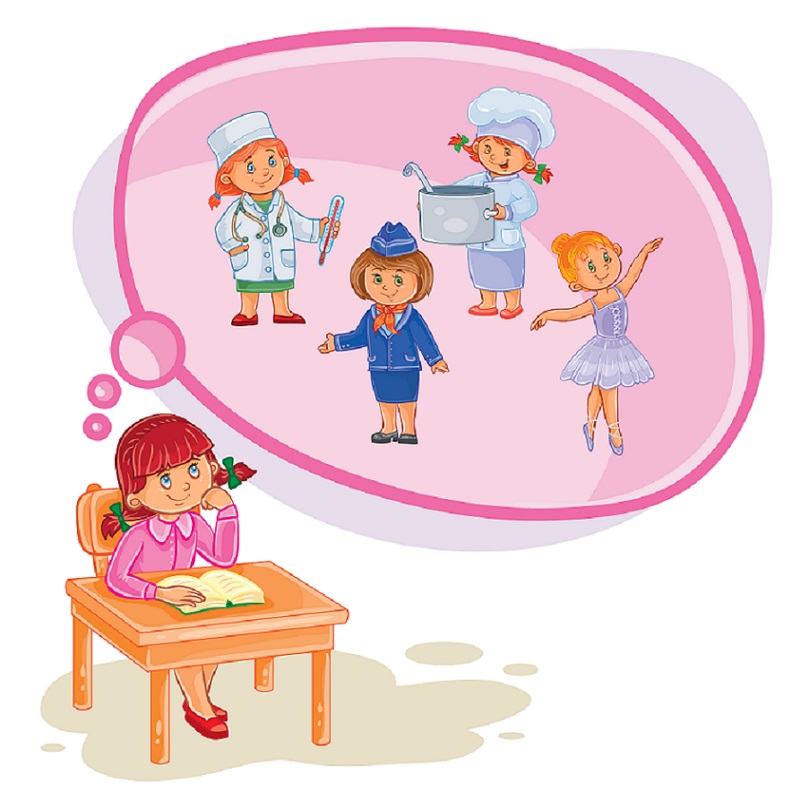
Perhaps most importantly, reading empowers students to dream. It ignites curiosity, fuels creativity, and inspires aspirations. Whether through fiction or non-fiction, books offer possibilities that extend far beyond the confines of a classroom.
In essence, reading is not just a skill but a lifelong companion. It shapes the mind, enriches the soul, and prepares students to face the world with insight and confidence. As educators, our role is to kindle this habit, for in doing so, we gift our students a treasure that endures far beyond their school years.




.jpg "Why Reading Is Important In A Student's Life")